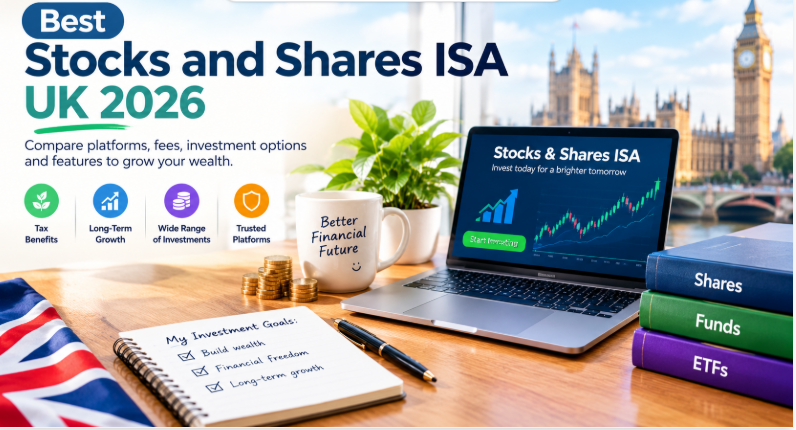
Best Stocks and Shares ISA UK accounts can help investors build long-term wealth while protecting eligible investment gains and dividends from UK tax. Choosing the right platform can feel difficult when every provider offers different fees, investment options, apps, and account features. Some platforms suit beginners who want simple funds, while others suit experienced investors who prefer to choose individual shares and exchange-traded funds (ETFs).
The right account can make investing easier and help you avoid unnecessary costs. A low-fee platform may suit someone investing £100 each month, while a flat-fee provider might become more attractive as a portfolio grows.
This guide compares leading UK Stocks and Shares ISA platforms for 2026, explains their main features, and shows what investors should consider before opening an account. Fees and offers can change, so check each provider’s current terms before investing.
Important: A Stocks and Shares ISA is a UK investment product. This guide is intended for UK residents who are eligible to open one, not US investors looking for an American brokerage account.
What Is a Stocks and Shares ISA?
A Stocks and Shares Individual Savings Account (ISA) is a UK account that allows eligible investors to hold qualifying investments within a tax-advantaged wrapper. These investments can include shares, funds, and ETFs, depending on the provider and account rules.
The main benefit is tax efficiency. Eligible investment gains and dividends within an ISA are generally free from UK Capital Gains Tax and UK Income Tax.
For the 2026/27 tax year, the overall annual ISA subscription allowance is £20,000. You can divide this allowance between eligible ISA types, subject to the applicable rules.
For example, imagine Sarah invests £200 every month into a Stocks and Shares ISA. She contributes £2,400 over a year. If her investments rise in value, eligible gains inside the ISA are generally protected from UK Capital Gains Tax. However, investment returns are never guaranteed, and Sarah could lose money if markets fall.
A Stocks and Shares ISA does not eliminate investment risk. It offers a tax-efficient way to invest.
Best Stocks and Shares ISA Platforms UK 2026
The following platforms offer different combinations of pricing, investment choice, and convenience. These are practical options to compare rather than a universal ranking for every investor.
1. Vanguard Investor UK — Best for Long-Term Fund Investors

Vanguard can suit investors who prefer diversified funds and ETFs rather than selecting individual company shares. Its range includes investments tracking broad markets, allowing beginners to build a portfolio without researching hundreds of individual businesses.
Main advantages:
- Access to Vanguard funds and ETFs.
- Options for regular investing.
- A straightforward approach to long-term investing.
- Useful choices for investors seeking diversified portfolios.
Read more: Why Dollar-Cost Averaging Matters
Potential drawbacks:
- Investment choice is more limited than on a general investment platform.
- Account charges and fund expenses still affect returns.
- Investors wanting individual shares from many different providers may prefer another platform.
Example: James wants to invest £150 each month for retirement. He chooses a diversified index fund rather than buying shares in just one or two companies. Vanguard may be worth comparing for this approach.
2. Trading 212 Best for Low-Cost DIY Investing
Trading 212 is an option for investors who want to manage their own ISA through an app. Its pricing structure can appeal to people who want to buy eligible shares and ETFs without paying a conventional dealing commission on every trade.
Main advantages:
- App-based account management.
- Access to eligible shares and ETFs.
- Commission-free dealing on supported investments, subject to the terms.
- Features for regular investing.
Potential drawbacks:
- Foreign-exchange charges may apply to overseas investments.
- Spreads and other investment costs can affect the overall price.
- DIY investing requires you to make your own investment decisions.
Example: Emma wants to invest £100 monthly into a diversified ETF. A low dealing-cost platform could make regular contributions more convenient, although she should still compare foreign-exchange charges and ETF expenses.
3. InvestEngine Best for ETF Investors
InvestEngine focuses on ETFs and offers a DIY Stocks and Shares ISA alongside managed portfolio options. Its DIY account has been attractive to cost-conscious investors because it advertises no platform fee for eligible DIY portfolios.
Main advantages:
- Focus on ETFs.
- DIY investing for people who want to select their own portfolio.
- Managed portfolio options for investors who prefer help with portfolio selection.
- A pricing structure worth considering for regular ETF investing.
Potential drawbacks:
- It is not a general-purpose platform for buying every individual share.
- Managed portfolios have different charges from DIY portfolios.
- ETF costs and investment risk still apply.
Example: Aisha wants exposure to global markets through several ETFs. InvestEngine may be suitable if the available ETFs match her needs and she understands how to manage her portfolio.
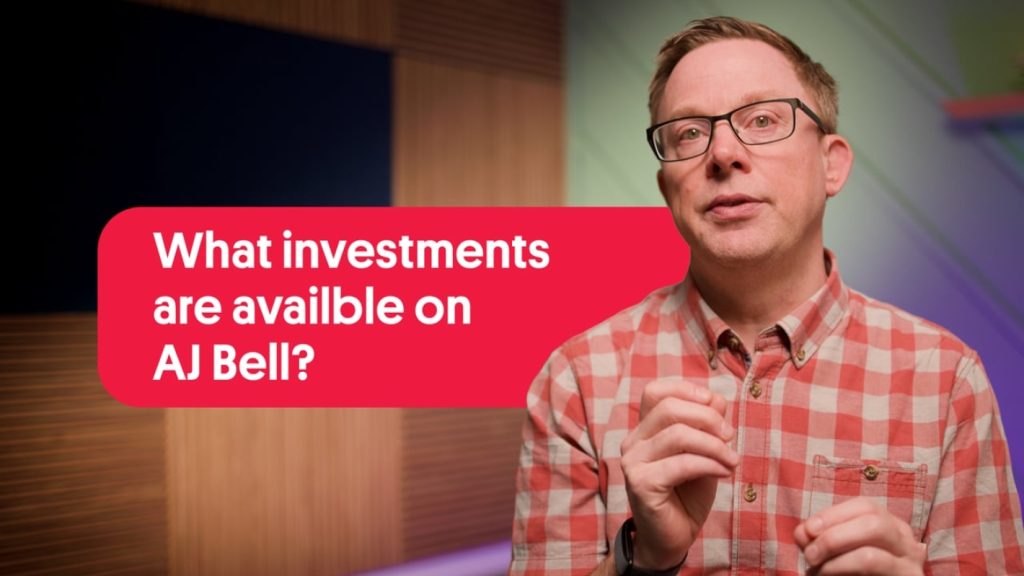
4. AJ Bell Best for Investment Choice
AJ Bell offers a broad range of investments, including funds, shares, and ETFs. It can suit investors who want more control over their portfolios and may eventually expand beyond a small selection of index funds.
Main advantages:
- Broad investment selection.
- Options for both new and experienced investors.
- Access to funds, shares, and ETFs.
- Useful account tools and investment information.
Potential drawbacks:
- Dealing charges may apply.
- Percentage-based account fees and minimum charges can affect smaller portfolios.
- Frequent trading can increase total costs.
Example: Daniel starts with a global index fund but later wants to add a few individual shares. AJ Bell is worth comparing because it offers a wider investment selection than some specialist ETF platforms.
5. Hargreaves Lansdown Best for Research and Support
Hargreaves Lansdown is an established UK investment platform offering funds, shares, ETFs, and research resources. It can appeal to investors who value investment information and a broad range of choices.
Main advantages:
- Extensive investment selection.
- Research and educational resources.
- Online account management.
- Options for investors with different levels of experience.
Potential drawbacks:
- Fees depend on the investments held and trading activity.
- Dealing charges may apply to certain transactions.
- A feature-rich platform may be more than a beginner needs.
Example: Michael wants to research several funds before deciding where to invest. The platform’s research tools may help him compare options, but he should check whether the overall fees justify the features.
6. Fidelity Best for Fund-Based Investing
Fidelity offers Stocks and Shares ISAs with access to a range of funds and other eligible investments. It is worth comparing for investors who prefer established investment services and want access to diversified portfolios.
Main advantages:
- A range of funds and investment choices.
- Research and educational resources.
- Options for regular investing.
- A platform suitable for investors building long-term portfolios.
Potential drawbacks:
- Account charges vary according to the fee structure and investments.
- Trading costs can apply to some transactions.
- Investors should compare its total annual cost with competing platforms.
Example: Priya plans to contribute £250 per month and hold a small number of diversified funds for several years. Fidelity may be worth considering if its available funds, minimums, and fees suit her plans.
Stocks and Shares ISA Features Comparison Table
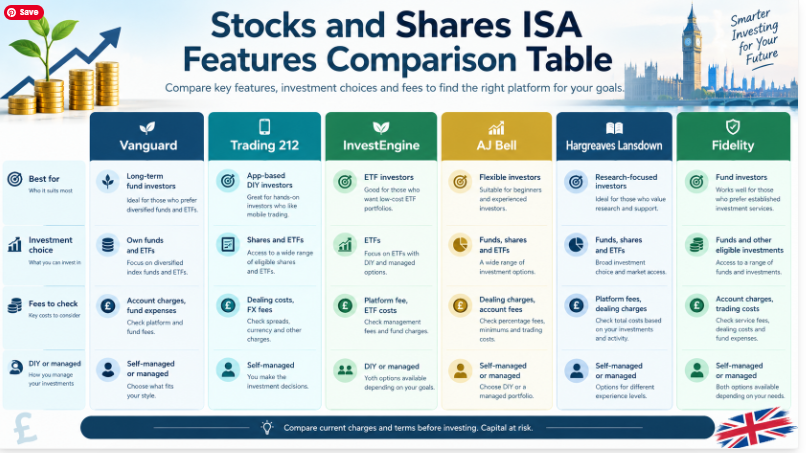
| Platform | Best for | Main investment focus | Main consideration |
|---|---|---|---|
| Vanguard | Long-term investors | Vanguard funds and ETFs | Limited provider selection |
| Trading 212 | DIY investors | Shares and ETFs | Currency conversion costs |
| InvestEngine | ETF investors | ETFs | Limited individual-share selection |
| AJ Bell | Flexible portfolios | Funds, shares, ETFs | Dealing and account fees |
| Hargreaves Lansdown | Research and choice | Funds, shares, ETFs | Compare total charges |
| Fidelity | Fund investors | Funds and other eligible investments | Check account pricing |
Pros and Cons of Stocks and Shares ISAs
Pros
- Tax advantages: Eligible gains and dividends inside the ISA are generally free from UK Capital Gains Tax and Income Tax.
- Long-term growth potential: Shares and diversified funds may grow over time, although returns are uncertain.
- Investment choice: Depending on the provider, you can invest in funds, ETFs, and individual shares.
- Flexible contributions: Many platforms allow regular monthly investing.
- Portfolio control: You can select investments that match your goals and risk tolerance.
Cons
- Market risk: Investments can fall in value, and you may receive less than you invested.
- Fees: Platform charges, fund expenses, trading fees, and currency conversion costs can reduce returns.
- No guaranteed profit: Tax benefits do not protect you against investment losses.
- Provider differences: Not every platform offers the same investments or account features.
- Access considerations: Selling investments can take time, and withdrawing money during a market downturn may lock in losses.
A Stocks and Shares ISA is generally more appropriate for money you can leave invested for the medium to long term. Money needed for near-term bills or emergencies may be better kept in accessible savings.
Stocks and Shares ISA Performance Comparison
No platform can guarantee better investment performance simply because it has a popular app or lower fees. Your results depend mainly on the investments you hold, market conditions, costs, and how long you remain invested.
| Investment approach | Possible benefit | Main risk | Suitable time horizon |
|---|---|---|---|
| Broad-market index fund | Diversification across many companies | Market-wide losses | Usually 5+ years |
| Global equity ETF | Exposure to international markets | Market and currency risk | Usually 5+ years |
| Individual shares | Direct ownership of selected companies | Company-specific losses | Depends on goals and risk |
| Bond fund | Exposure to bonds for portfolio diversification | Interest-rate and credit risk | Depends on fund and goals |
| Managed portfolio | Professional portfolio management | Fees and investment losses | Depends on risk profile |
Consider a hypothetical investor who contributes £200 each month for ten years. Total contributions would equal £24,000. The final balance could be higher or lower than this amount because investment prices change over time. Fees also reduce the amount available to grow.
Past performance does not guarantee future results. Compare investment strategy, diversification, risk, and total costs instead of choosing a provider based only on historical returns.
Stocks and Shares ISA Fees and Pricing Comparison
Platform pricing is an important part of choosing an ISA. A seemingly small annual fee can become significant when applied to a large portfolio over many years.
| Platform | General pricing approach | What to check |
|---|---|---|
| Vanguard | Percentage-based account charge, subject to current terms | Account fee, minimums, fund expenses |
| Trading 212 | Advertises commission-free ISA dealing on supported investments | FX fees, spreads, other charges |
| InvestEngine | No platform fee for eligible DIY accounts; managed pricing differs | Portfolio management fee and ETF costs |
| AJ Bell | Percentage-based custody charges with applicable limits and dealing fees | Share, ETF, and fund charges |
| Hargreaves Lansdown | Charges depend on investment type and account terms | Platform fees and dealing charges |
| Fidelity | Pricing depends on account and investment arrangements | Service charges, dealing costs, fund expenses |
Always verify current prices directly with providers. Promotional offers and fee schedules can change during 2026.
Real-World Fee Example
Suppose two investors each hold a £10,000 portfolio. One pays an annual platform fee of 0.15%, while the other pays 0.35%. Before considering other charges, their annual platform costs would be £15 and £35 respectively.
That is a £20 difference in one year. If the portfolios grow, the difference may increase over time. However, fees are only one factor: investment choice, customer service, tools, and account suitability also matter.
For a fair comparison, add together:
- Platform or account charges.
- Fund ongoing charges.
- Dealing fees.
- Foreign-exchange fees.
- Any relevant spreads or other transaction costs.
How to Choose the Best Stocks and Shares ISA UK
Before opening an account, ask yourself five questions.
What do I want to invest in?
Choose a platform offering the funds, ETFs, or shares you actually need.
How much will I contribute?
Minimum deposits and regular investment requirements vary.
What will the total fees be?Calculate the costs for your likely portfolio size and trading habits.
Do I want to manage investments myself?
DIY accounts provide control, while managed portfolios offer a more hands-off approach.
Can I accept investment losses?
Choose a level of risk that fits your financial circumstances and goals.
FAQs:
1. Which Stocks and Shares ISA is best in the UK in 2026?
There is no single winner for everyone. Vanguard is worth comparing for long-term fund investors, Trading 212 for DIY share and ETF investing, InvestEngine for ETF portfolios, and AJ Bell for broader investment choice. Compare current charges and available investments before deciding.
2. How much can I invest in a Stocks and Shares ISA in 2026?
The overall ISA subscription allowance for the 2026/27 tax year is £20,000. This is the combined annual allowance across eligible ISA types, not £20,000 for each account. Check the latest government guidance for the applicable rules.
3. Are Stocks and Shares ISAs tax-free?
Eligible investment gains and dividends inside a Stocks and Shares ISA are generally free from UK Capital Gains Tax and Income Tax. Other taxes or charges may still affect particular investments or transactions.
4. Can I lose money in a Stocks and Shares ISA?
Yes. An ISA is a tax wrapper, not a guarantee against losses. Share prices and fund values can fall, so you may get back less than you invest. Diversification can help manage some risks but cannot remove market risk.
5. Can I transfer my existing Stocks and Shares ISA?
Yes, many providers accept ISA transfers. Check the receiving provider’s rules and follow the formal transfer process to preserve the ISA’s tax advantages. Exit charges, transfer times, and investment restrictions may apply.
Conclusion:
The best Stocks and Shares ISA UK account depends on your investing style, portfolio size, and financial goals. Vanguard is a strong option to compare for investors who prefer its fund range and a straightforward long-term approach. Trading 212 and InvestEngine are worth considering for cost-conscious DIY and ETF investors. AJ Bell, Hargreaves Lansdown, and Fidelity may suit people who value a wider investment selection or additional research resources.
The overall winner is the platform that offers the investments you need at a reasonable total cost. Do not select an account based only on advertising, introductory bonuses, or a single fee figure.
Start by deciding what you want to invest in, compare the full charges, and check that the provider’s services match your experience and goals. Regular contributions, diversification, and patience can support a sensible long-term investing plan, but returns are never guaranteed.
Disclaimer: This article is for educational purposes only and is not personalised financial advice. Investments can fall as well as rise. Check official provider terms and current UK tax rules before making investment decisions.