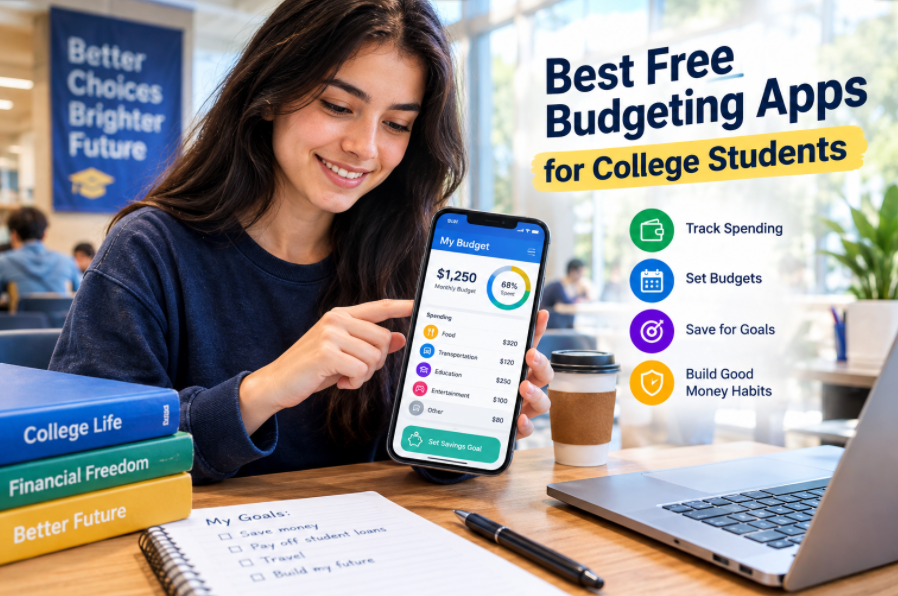
Best Free Budgeting Apps: College life comes with many exciting opportunities, but it also brings financial responsibilities. Between tuition fees, books, transportation, groceries, and entertainment, managing money can quickly become overwhelming. Many students struggle to keep track of their expenses and often reach the end of the month wondering where their money went.
This is where the Best Free Budgeting Apps can make a significant difference. A good budgeting app helps students track spending, set financial goals, monitor subscriptions, and build healthy money habits without paying for expensive financial software. Whether you are studying in the United States or the United Kingdom, there are several excellent free budgeting apps that can help you stay in control of your finances.
Why College Students Need a Budgeting App
Many college students live on a limited income. Some rely on part-time jobs, scholarships, grants, or student loans, while others receive financial support from family members. Without a proper budget, it becomes easy to overspend and difficult to save money for future needs.
A budgeting app helps students:
- Track daily expenses automatically
- Monitor bank account activity
- Create monthly spending limits
- Reduce unnecessary purchases
- Save for emergencies
- Develop long-term financial discipline
Students in the UK can also access practical budgeting guidance through MoneyHelper UK, which offers free financial planning tools and resources.
What Makes a Good Budgeting App for Students?
The best budgeting apps are simple, affordable, and easy to use. Since most students are new to personal finance, complicated investment tools and advanced accounting features are often unnecessary.
A quality student budgeting app should include:
- Free access to core features
- Easy-to-understand dashboards
- Expense tracking
- Budget planning tools
- Savings goal tracking
- Bank account integration
- Strong security measures
The goal is to make financial management easier, not more complicated. Best High-Yield Savings Accounts in the USA
Comparison Table: Best Free Budgeting Apps for College Students
| App | Free Plan | Expense Tracking | Budget Planning | Savings Goals | Best For |
|---|---|---|---|---|---|
| Emma | Yes | Yes | Yes | Yes | Overall Budgeting |
| Goodbudget | Yes | Yes | Envelope Budgeting | Yes | Budget Discipline |
| PocketGuard | Yes | Yes | Yes | Yes | Spending Insights |
| Rocket Money | Yes | Yes | Yes | Limited | Subscription Tracking |
| Money Manager | Yes | Yes | Yes | Yes | Detailed Expense Reports |
Emma
Emma has become one of the most popular budgeting apps among students because of its accessible design and smart financial tracking tools.
Features
- Automatic expense categorization
- Spending analysis
- Budget monitoring
- Savings tracking
- Multiple account support
Pros
- Beginner-friendly
- Modern dashboard
- Available in both the USA and UK
Cons
- Some advanced features require a premium plan
- Bank integrations vary by institution
Goodbudget
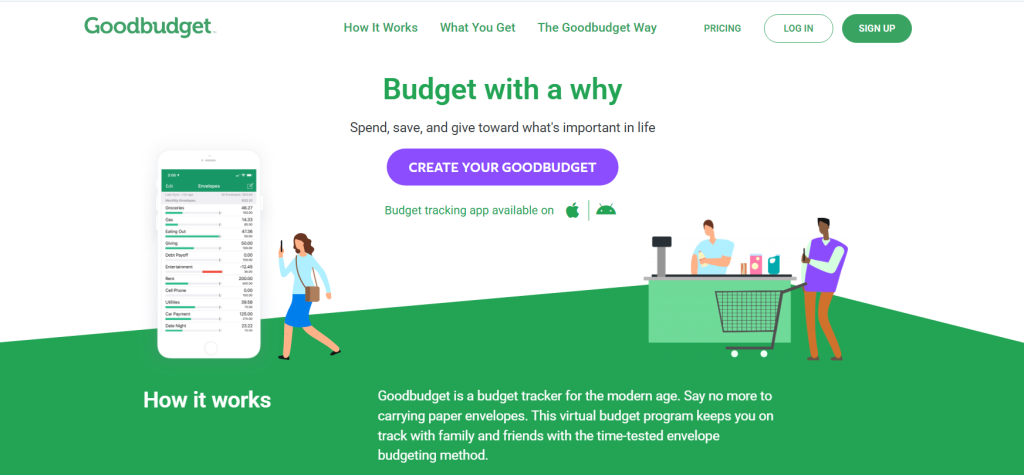
Goodbudget follows the envelope budgeting method. Instead of spending first and reviewing later, users allocate money to spending categories before making purchases.
Features
- Digital envelope budgeting
- Budget sharing
- Savings goals
- Debt tracking
Pros
- Excellent for beginners
- Encourages disciplined spending
- Easy budget planning
Cons
- Manual transaction entry
- Limited envelopes in free plan
PocketGuard
PocketGuard helps students understand exactly how much money they have available after accounting for bills and savings goals.
Features
- Cash flow tracking
- Expense monitoring
- Budget planning
- Spending recommendations
Pros
- Simple dashboard
- Helpful financial insights
Cons
- Premium features cost extra
- Limited customization
Rocket Money
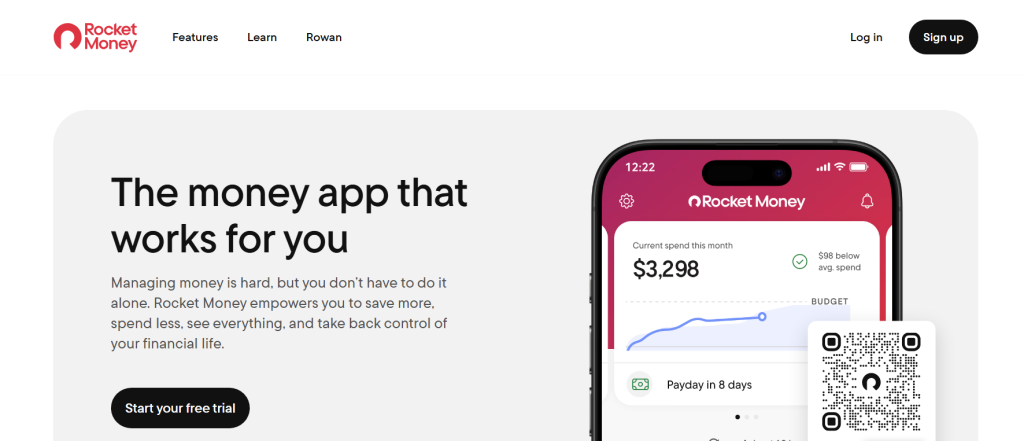
Rocket Money focuses on helping users identify recurring subscriptions and unnecessary expenses.
Features
- Subscription management
- Budget tracking
- Spending categorization
- Financial reports
Pros
- Great for reducing wasteful spending
- Easy setup process
Cons
- Some features require payment
- Mainly designed for US users
Money Manager
Money Manager is ideal for students who prefer detailed expense tracking and financial reports.
Features
- Expense categories
- Budget planning
- Financial summaries
- Spending reports
Pros
- Comprehensive expense tracking
- User-friendly interface
Cons
- Some manual data entry required
- Fewer automation features
Cost Comparison (Reviewed September 2026)
| App | Free Version | Premium Available |
|---|---|---|
| Emma | Yes | Yes |
| Goodbudget | Yes | Yes |
| PocketGuard | Yes | Yes |
| Rocket Money | Yes | Yes |
| Money Manager | Yes | Optional |
Prices and premium features can change over time. Always verify current costs directly from the provider before subscribing.
How Students Can Maximize Their Budget
Downloading a budgeting app is only the first step. To get the best results:
Track Every Expense
Small purchases can add up quickly. Recording all expenses helps identify spending habits.
Set Realistic Budget Limits
Creating unrealistic spending limits often leads to frustration and failure.
Build an Emergency Fund
Even saving a small amount each month can help cover unexpected expenses.
Review Your Budget Weekly
Regular reviews help identify problems before they become serious.
Common Budgeting Mistakes College Students Make
Ignoring Small Purchases
Coffee, snacks, and food delivery orders may seem inexpensive individually but can add up significantly over time.
Not Tracking Spending
Many students only check their bank balance instead of analyzing spending patterns.
Relying Too Much on Credit Cards
Credit cards can be useful tools when managed responsibly, but excessive use can lead to debt problems.
Failing to Save Money
Unexpected expenses such as laptop repairs or medical bills can create financial stress.
Students who rely on student loans should review borrowing and repayment information through Federal Student Aid.
Building Financial Skills Beyond Budgeting
Budgeting is only one part of personal finance. Students can also explore additional ways to improve their financial future.
For example:
- Learn freelancing skills
- Build side income streams
- Start investing small amounts
- Develop long-term savings habits
Author / Expertise Note
This article is for educational purposes only and does not constitute financial advice. Budgeting app features, availability, and pricing may change over time. Readers should review official provider information before making financial decisions.
FAQs
1. What are the best free budgeting apps for college students?
Popular options include Emma, Goodbudget, PocketGuard, Rocket Money, and Money Manager.
2. Are budgeting apps safe?
Most reputable budgeting apps use encryption and security measures to protect user information. Always review privacy policies before connecting accounts.
3. Do budgeting apps help students save money?
Yes. Budgeting apps help identify unnecessary spending, track expenses, and encourage savings habits.
4. Is a free budgeting app enough for students?
For most students, the free version provides enough features to manage day-to-day finances effectively.
5. Which budgeting app works in both the USA and UK?
Emma and Goodbudget are among the most widely available options for both regions.
6. How often should students review their budget?
Weekly reviews are generally recommended to maintain control over spending.
7. Can budgeting apps connect to bank accounts?
Many modern budgeting apps support secure bank integration, although availability depends on the bank and country.
Conclusion
Finding the right budgeting app can make managing money significantly easier during college. Rather than searching for a single perfect solution, students should focus on choosing a tool that matches their budgeting style and financial goals. Apps like Emma, Goodbudget, PocketGuard, Rocket Money, and Money Manager each offer valuable features that can help students track spending, save money, and build stronger financial habits.
For students who want long-term financial success, budgeting should be combined with smart saving, responsible spending, and continuous financial education. Starting today with one of these free budgeting apps is a small step that can lead to better financial decisions throughout college and beyond.